


Benefits of
Babywearing
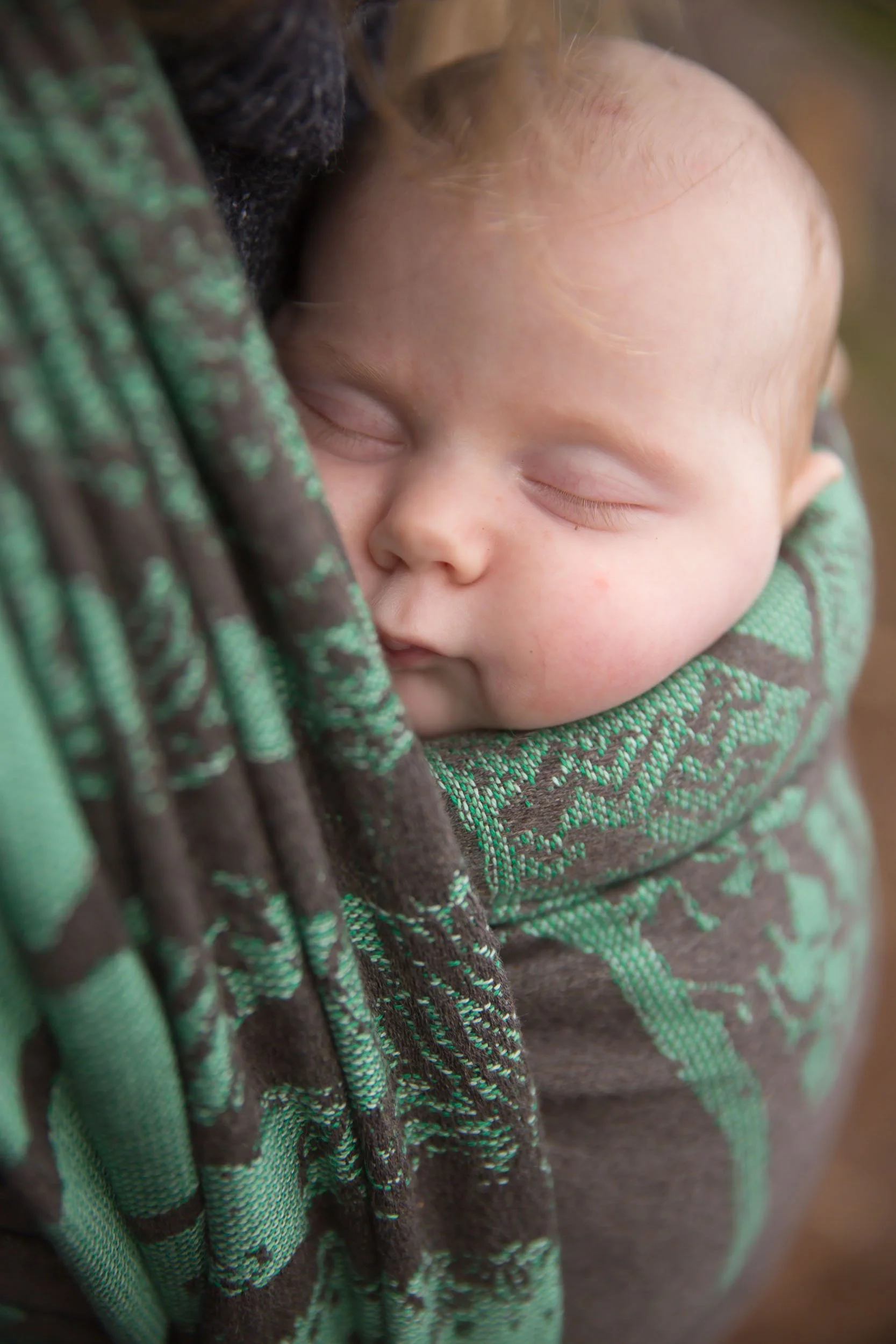
Humans have been carrying their babies since the beginning of time. Across the globe, it is one of our oldest parenting traditions.
This is because human babies are born incredibly helpless, with brains only a quarter of the size they will be as adults. They completely rely on us to survive and feel safe. Your body is the only home your newborn truly knows. Holding them close, often called kangaroo care or skin to skin, helps them make a gentle, happy transition to the outside world during those intense first three months, which many people call the fourth trimester.
When you pop your baby into a sling, your closeness does some incredible behind the scenes work. It actually helps control your baby’s breathing, heart rate, body temperature, and digestion. It triggers a massive burst of oxytocin, which is the love hormone. This wonderful hormone helps breast milk flow for mothers, strengthens your bond, and can actively protect you against postnatal depression by boosting your confidence. Babywearing is also a absolute lifesaver for disabled parents or those with mobility challenges. By securing your baby safely to your chest, it makes navigating daily life with walking aids, a wheelchair, or a chronic illness so much easier and safer.
Best of all, babywearing makes life feel a little bit lighter. It can cut crying almost in half because your baby always feels safe and cosy. Being upright helps soothe trapped wind, painful reflux, and colic, while the gentle motion rocks them into a deeper, more peaceful sleep. Up at your eye level, your little one learns to watch your face and hear your voice, which can fast track their speech and brain development. Meanwhile, a well-fitting carrier spreads your baby’s weight evenly across your body like a supportive backpack, making it a comfortable way to get some gentle exercise. It gives you your hands back so you can eat a hot meal, look after older siblings, or go for a lovely walk on a muddy path or sandy beach where a pram simply cannot go.
Physical and Developmental Benefits for Baby
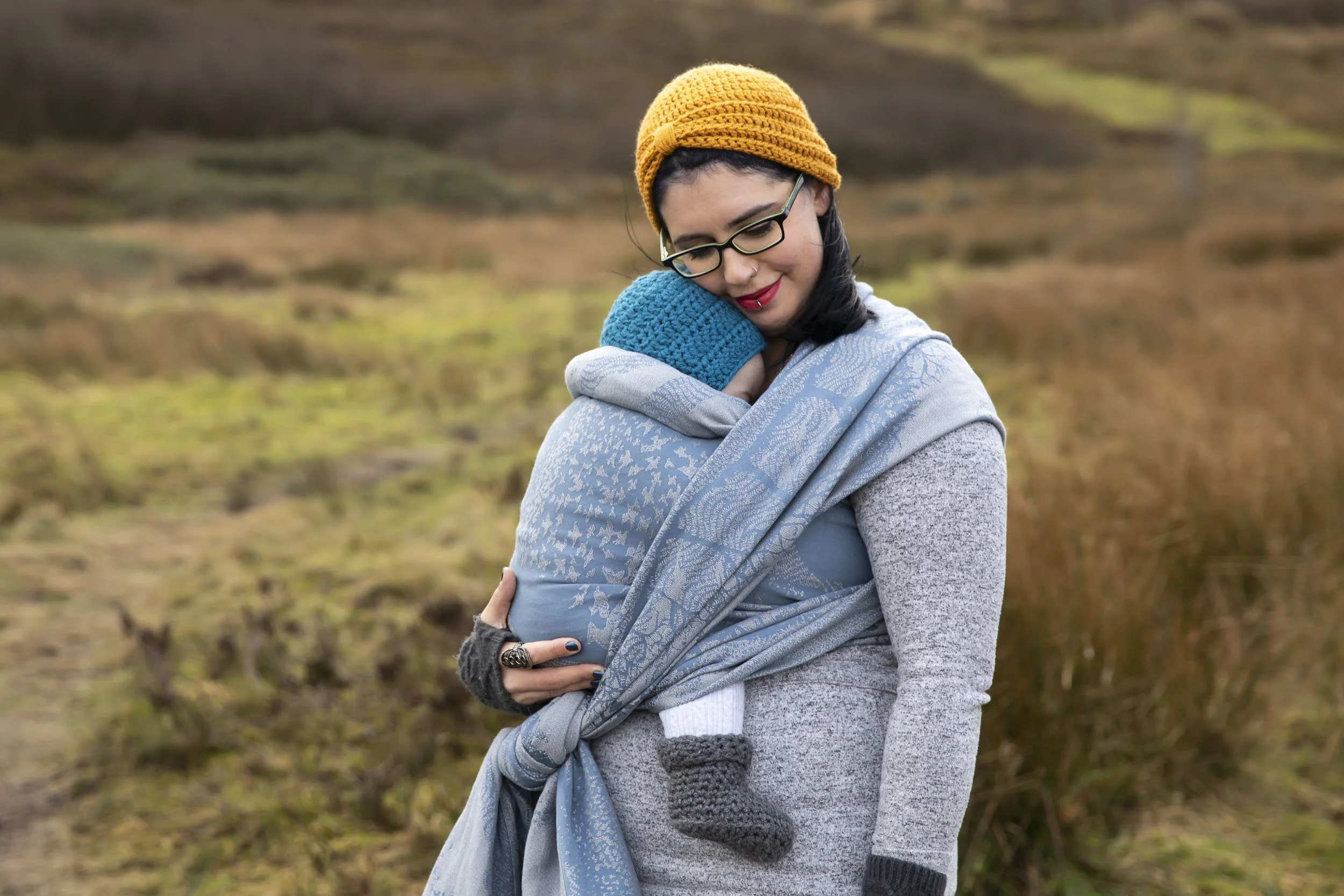
Regulates Bodily Functions:
Facilitates and prolongs the benefits of skin-to-skin contact, naturally regulating a baby's heart rate, breathing, body temperature, digestion, and physical growth.
Aids Brain and Speech Development:
Immersion at adult eye level increases positive interactions, helping the infant easily observe facial expressions and language to build early neural connections.
Promotes Optimal Hip Development:
Pulling the baby’s legs up to a 100-degree angle and spreading them to 40 degrees places them in the ideal "M" squat position, protecting the hip socket.
Eases Digestion, Reflux, and Colic:
Keeping the baby in an upright position assists with trapped wind and significantly reduces the painful symptoms of reflux and colic.
Prevents Flat Head Syndrome:
Reduces the amount of time an infant spends lying flat on their back on hard surfaces, preventing positional plagiocephaly.
Emotional and Psychological Benefits
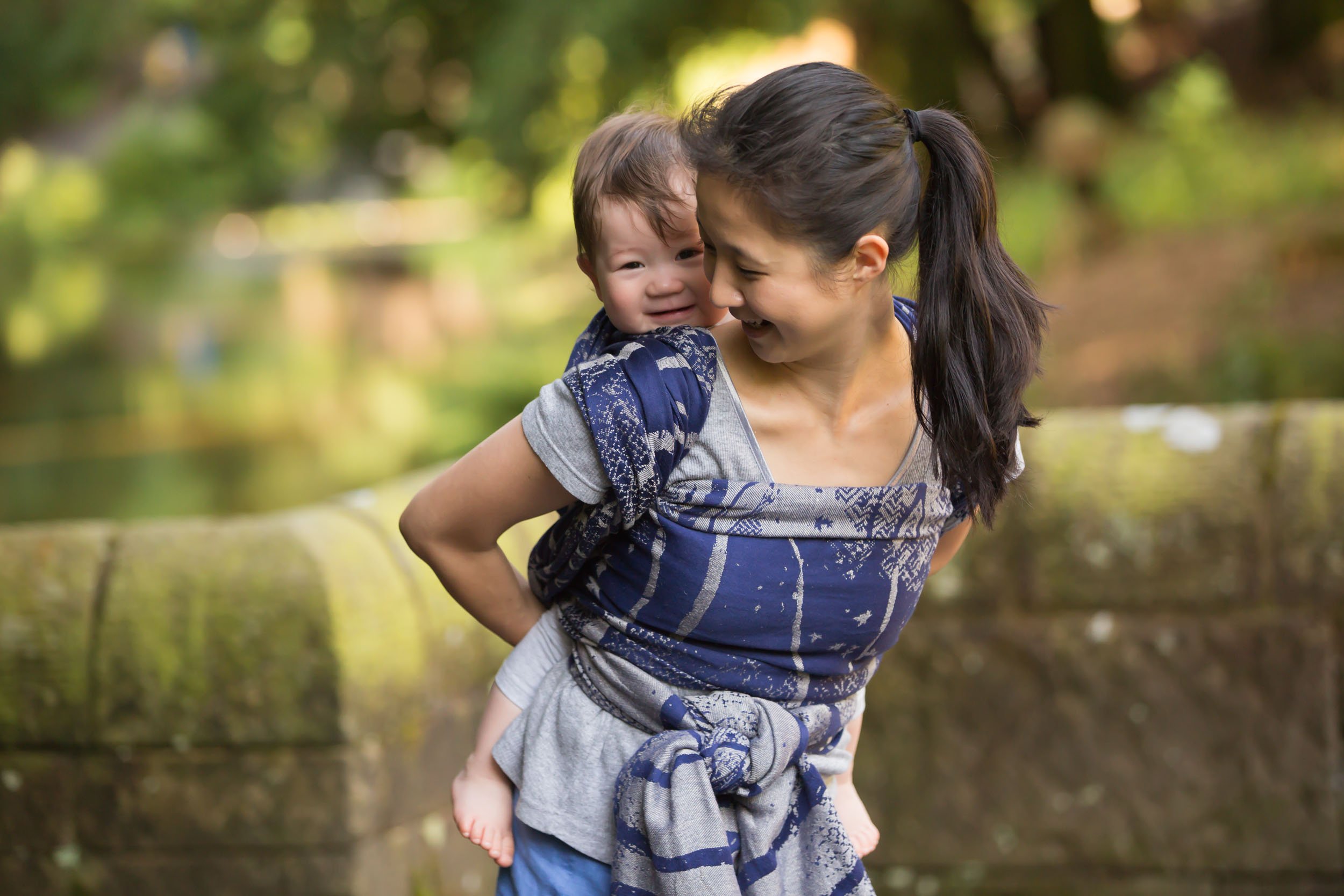
Reduces Crying:
Studies show that carried babies cry up to 43% less overall, as they receive constant reassurance that their parents are present and they are safe.
Improves Sleep Quality:
The motion and confined space mimic the uterus, which naturally calms an alert baby and encourages a more restful sleep cycle.
Supports the Fourth Trimester:
Offers a slow, comforting transition into the outside world by replicating the secure environment of the womb.
Practical and Emotional Benefits for Caregivers
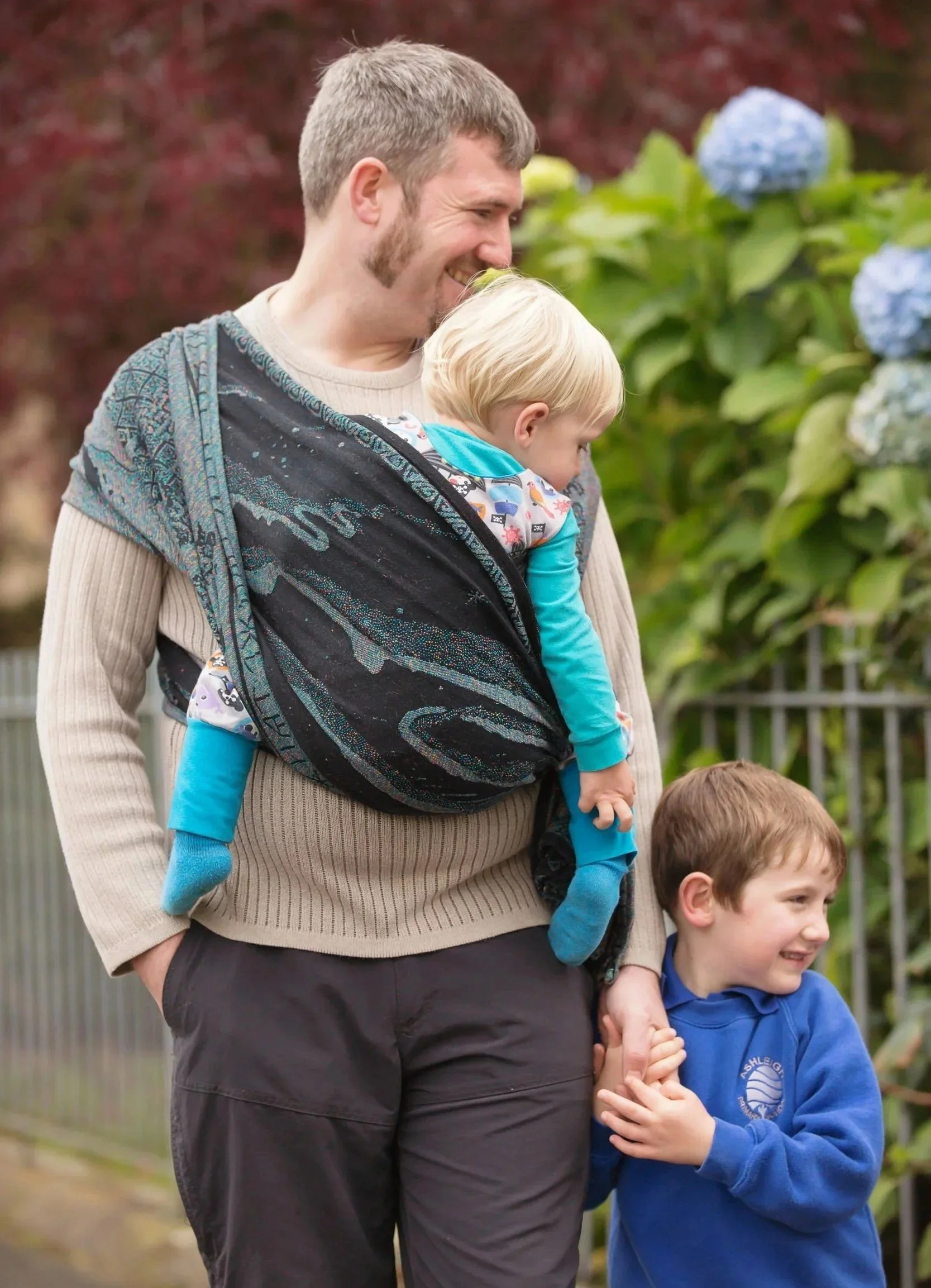
Hands-free Convenience
Grants the freedom to move around and use your hands to get on with your day, manage household tasks, or care for older siblings.
Accessibility and Inclusivity:
Opens up a host of possibilities for outdoor travel, allowing you to walk on uneven streets, beaches, and woodland paths where prams cannot go. Additionally, babywearing is an invaluable tool for disabled parents, it can make navigating the world of parenting with disabilities significantly safer and easier.
Reduces Postnatal Depression (PND):
The close physical contact boosts oxytocin, helping to reduce the incidence and severity of PND while increasing parental confidence and a sense of worth.
Supports Breastfeeding:
Prolonged skin to skin contact allows milk to flow more freely. It physically supports the nursing pair and allows parents to spot early hunger cues before the baby gets frustrated.
Ergonomic Exercise:
Spreads the baby's weight evenly across your torso so you do not feel the strain. The extra weight offers a gentle workout for the parent, while the baby simultaneously exercises their core muscles and practices head control.
Inclusive Family Bonding:
An excellent way for fathers, grandparents, and secondary caregivers to share the joy of close cuddles and build their own secure bond with the child.

Societal Impact
Fosters a More Peaceful Society
Cross-cultural research indicates that societies that carry their babies extensively are much more likely to be peaceful, as meeting early touch needs helps children develop healthy empathy and social behaviours.
Increases Parental Contribution:
Enables parents to remain active in their day to day tasks and can even assist some parents in returning to work with their baby contentedly attached.